The plate that changed running
On 26 April 2026, Sabastian Sawe ran 1:59:30 at the London Marathon, the first sub-two-hour marathon in an official race. He did it in the Adidas Adizero Adios Pro Evo 3, a carbon-reinforced super shoe weighing under 100g. Every sub-two-hour marathon on record has been run in a carbon-plated shoe.
So is the carbon plate the secret? Partly, but not in the way most people think. Research suggests the plate works mainly as a supporting act for the foam, not as a spring.
This guide explains what a plate is, how it actually works, the different plate types (carbon, rods, rims, nylon), and how plated and unplated shoes differ underfoot, with current examples throughout.
What is a plate in a running shoe?
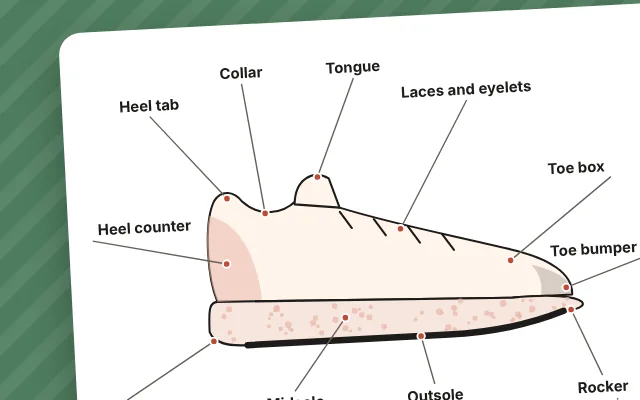
A plate is a thin, stiff layer embedded in the midsole foam. It is usually curved, often full-length, and sits either sandwiched between two foam layers or close to the foot.
Shoes have plates for three main reasons:
- To stabilise tall, soft foam. Modern superfoams are bouncy but squishy. Stacked to 39–40mm, they would wobble without something stiff running through them.
- To shape the transition. A curved, stiff plate combined with a rockered sole helps the foot roll quickly from landing to toe-off.
- To stiffen the forefoot. A plate reduces how much the shoe, and your big-toe joint, bends as you push off.
There are rules, too. For World Athletics-sanctioned road racing, a shoe can have a maximum stack height of 40mm and only one rigid plate. The plate can be split into parts, but those parts must sit in a single plane, not stacked on top of each other. Most recreational races do not check, but brands design their flagship racers to comply.
How carbon plates actually work
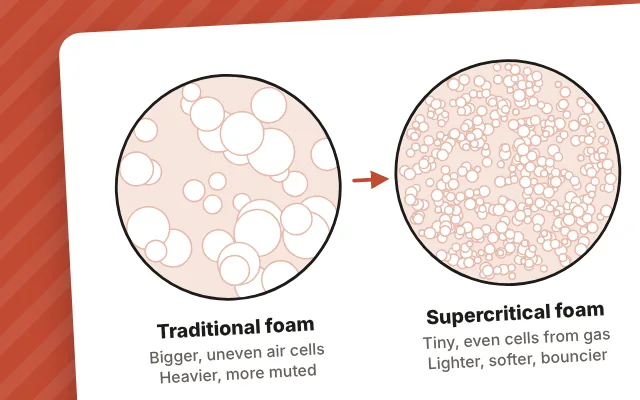
The short version: the plate helps the foam do its job. The foam stores and returns most of the energy; the plate keeps that foam stable and guides your foot forward.
Myth: the plate is a spring
It is tempting to picture a carbon plate flexing and catapulting you forward like a diving board. In reality, most of the bounce comes from the foam compressing and rebounding. The plate bends a little, but its main role is structural.
What the research says
In a well-known 2022 study, researchers Laura Healey and Wouter Hoogkamer took Nike Vaporfly 4% shoes and made six cuts through the carbon plate in the forefoot to reduce its stiffness. Fifteen runners then ran at 14km/h in both cut and intact shoes.
Running economy was only about 0.55% worse on average in the cut shoes, a difference that was not statistically significant. The researchers concluded that the plate’s stiffening effect plays a limited role, and that the energy savings come from the combination of foam, geometry and plate working together.
Other studies point the same way: plates seem to stabilise the foam and help guide the foot rather than return energy directly. There is also evidence that the benefit of super shoes is smaller at slower paces.
The jobs a plate does well
- Stability on a soft, tall platform. Without the plate, a 39mm PEBA midsole would feel mushy and unpredictable, especially late in a race as form fades.
- The rocker effect. A curved plate paired with a rockered sole lets you roll through each stride with less effort at the toes.
- Less toe bending. A stiff forefoot reduces the work done at the big-toe joint, though this seems to change how you move more than it saves energy.
- A snappy feel. Runners often describe plated shoes as propulsive at speed. That sensation is real, even if it is a team effort between plate and foam.
Plate shape and position matter
Brands tune plates for different runners. A plate set high in the midsole, close to the foot, feels more direct. A deeply scooped, spoon-shaped plate sits lower in the heel and curves up at the toe, giving a more aggressive roll. Asics, for example, places its plate and foams differently in the Metaspeed Sky Tokyo and Metaspeed Edge Tokyo to suit runners who lengthen their stride versus those who increase their cadence.
Types of running shoe plate, with example shoes
Carbon gets the headlines, but plates come in several materials and shapes. Stiffer plates suit racing; more flexible ones suit training.
| Plate type | Feel | Typical use | Example shoes |
|---|---|---|---|
| Full-length carbon fibre | Stiff, snappy, aggressive roll | Race day, fast sessions | Nike Vaporfly 4, Asics Metaspeed Sky Tokyo, New Balance SuperComp Elite v6, Nike Zoom Fly 6 |
| Carbon rods | Stiff, with more natural forefoot movement | Racing, uptempo runs | Adidas Boston 13 (EnergyRods) |
| Carbon rim | Stiffness around the edge, more foam underfoot | Racing | Adidas Adios Pro 5 and Adios Pro Evo 3 (EnergyRim) |
| Nylon, Pebax or other plastic | Moderately stiff, more forgiving | Tempo runs, long runs, super trainers | Saucony Endorphin Speed 6, Brooks Hyperion Max 4, Mizuno Neo Vista 3, Hoka Mach X 3 |
| No plate | Flexible, natural, softer roll | Easy runs, long runs, versatile training | Adidas Evo SL, Asics Superblast 3, Asics Megablast |
Carbon fibre plates
The stiffest, lightest option and the default in top racers: in October 2026, 23 of the 24 road racing shoes on RunShoeRotation used one. The Nike Alphafly 4, released on 29 October 2026, keeps a scooped full-length Flyplate but widens it at the forefoot for a more stable platform. Expect a firm, propulsive toe-off that rewards faster paces. Carbon also turns up in plated trainers such as the Zoom Fly 6 and Puma Deviate Nitro 4, usually tuned to be more flexible than a racer’s.
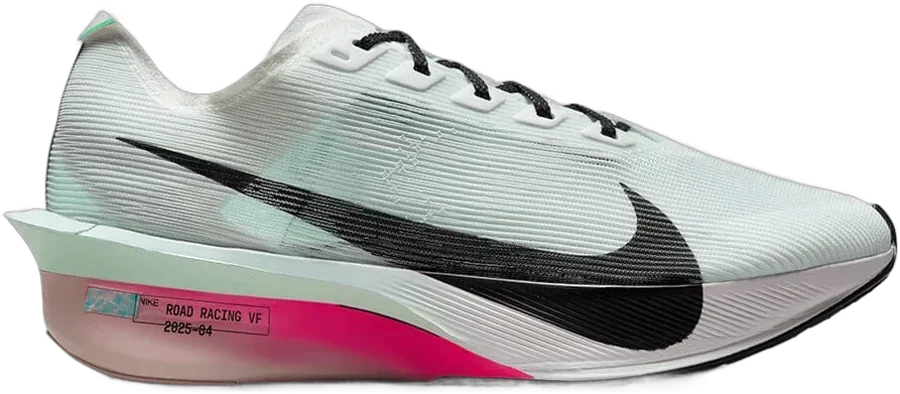
 NikeVaporfly 4Race day95/100 · 2 reviews
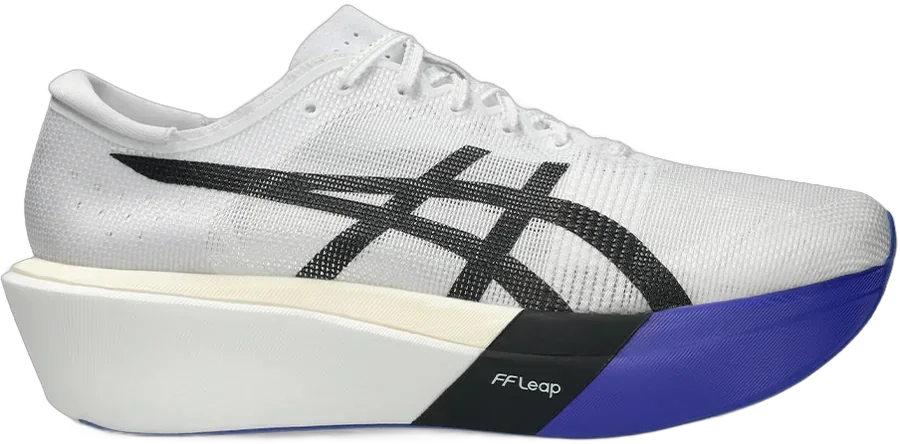
 ASICSMetaspeed Sky TokyoRace day95/100 · 2 reviews
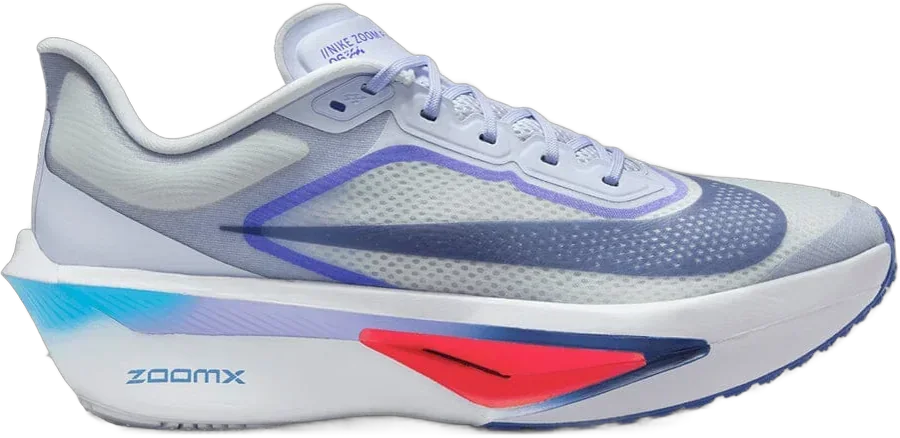 NikeZoom Fly 6Super trainer93/100 · 2 reviews
Carbon rods and rims
Adidas went its own way. From 2020, every Adios Pro used EnergyRods: separate carbon rods shaped like the bones of the foot, designed to give stiffness while letting the forefoot move more naturally. The Adios Pro 5, launched on 22 September 2026, replaces the rods with an EnergyRim, a carbon-infused structure around the edge of the midsole. Adidas says this frees up more Lightstrike Pro foam directly underfoot. The same rim concept featured in the Adios Pro Evo 3 that Sawe wore in London, while the Boston 13 trainer keeps EnergyRods.
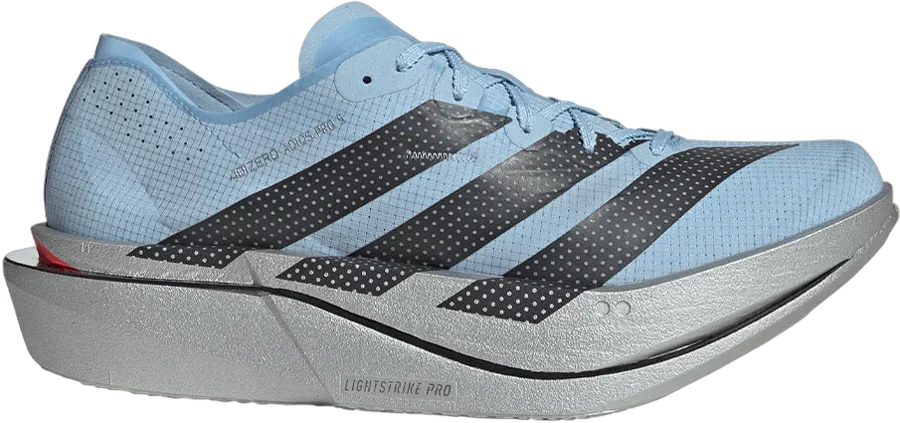
 adidasAdizero Adios Pro 5Race day94/100 · 1 review
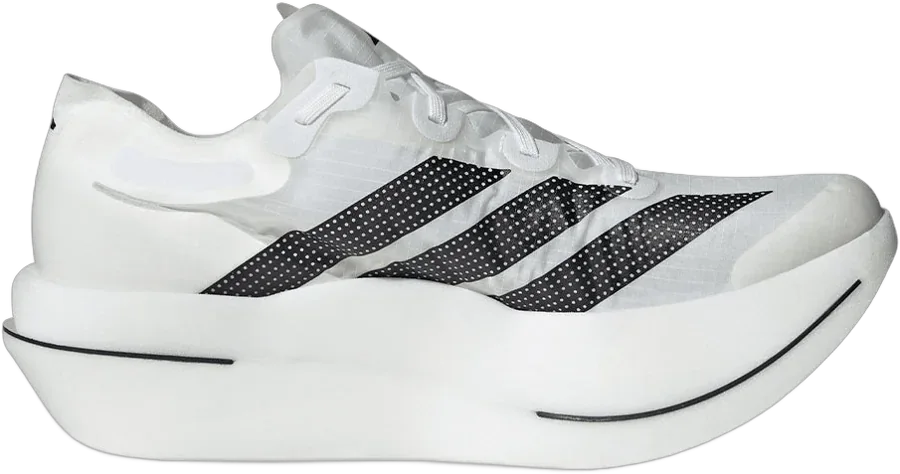 adidasAdizero Adios Pro Evo 3Race day94/100 · 1 review
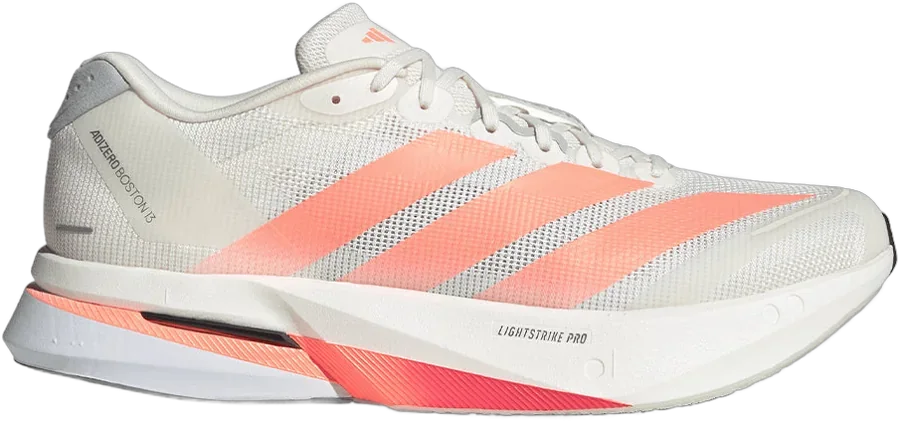 adidasAdizero Boston 13Super trainer91/100 · 2 reviews
Nylon and plastic plates
Less stiff and cheaper than carbon, nylon or Pebax plates give some of the rolling, propulsive feel with more forgiveness. They are common in uptempo trainers you might use for intervals and long runs, such as the Saucony Endorphin Speed 6 and Brooks Hyperion Max 4. Mizuno’s Wave Plate is a long-running take on the idea, now a 3D-shaped nylon plate in the Neo Vista 3, and the original Hyperwarp Pro racer used a carbon-infused nylon plate before its replacement, the Hyperwarp Racer, switched to carbon.
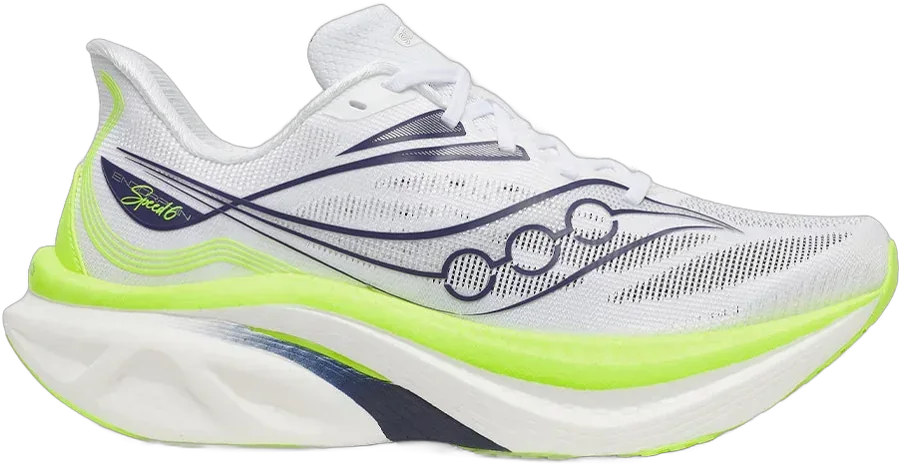
 SauconyEndorphin Speed 6Super trainer
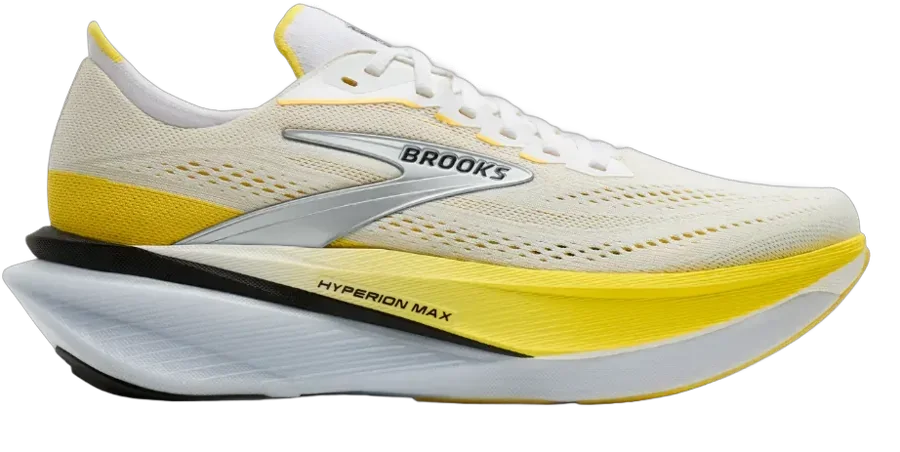
 BrooksHyperion Max 4Super trainer88/100 · 2 reviews
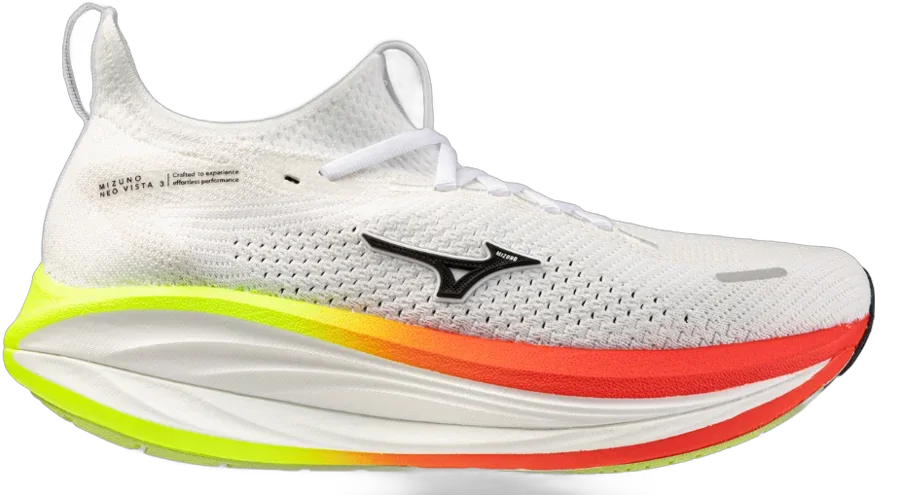
 MizunoNeo Vista 3Super trainer87/100 · 2 reviews
Plateless shoes
Some of the most popular shoes of recent years skip the plate altogether. The Adidas Evo SL uses Lightstrike Pro foam without a plate, giving a race-shoe feel in a more flexible, versatile trainer. The Asics Superblast 3 and Megablast do the same with very high stacks.
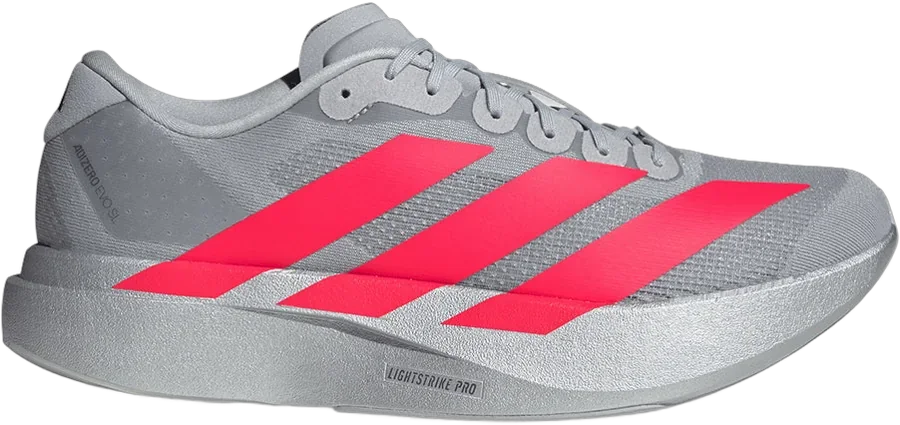 adidasAdizero Evo SLLightweight / tempo93/100 · 2 reviews
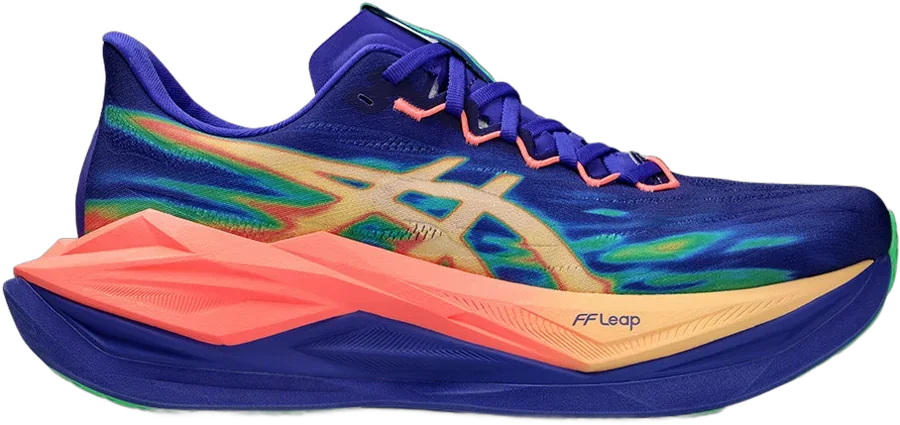 ASICSSuperblast 3Super trainer97/100 · 1 review
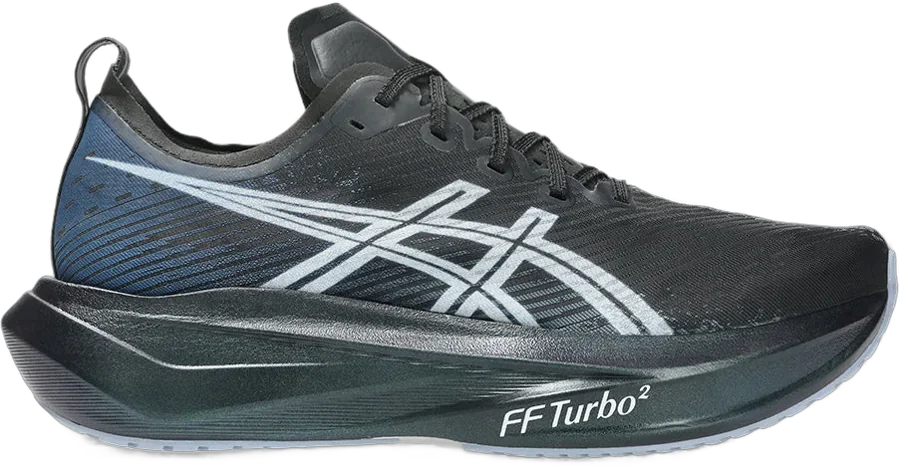 ASICSMegablastSuper trainer95/100 · 2 reviews
Plated vs unplated shoes: the difference underfoot
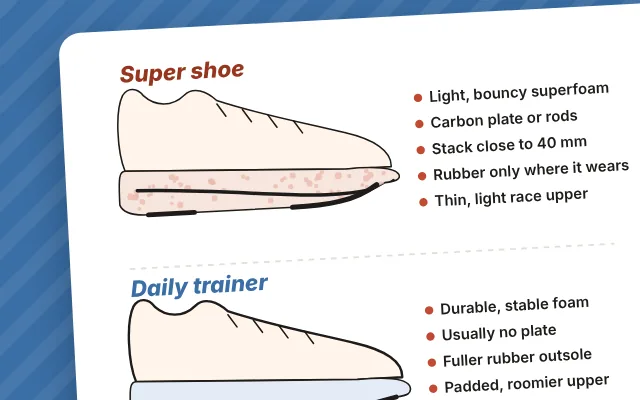
A plated shoe feels stiffer, more stable on a tall platform and more propulsive at speed. An unplated shoe feels more flexible and natural, and is usually more comfortable at easy paces.
| Plated shoe | Unplated shoe | |
|---|---|---|
| Flex | Stiff, especially in the forefoot | Bends naturally with the foot |
| Transition | Rolls forward quickly, guided by plate and rocker | Smoother, more gradual, more ground feel |
| Stability on tall stacks | Plate firms up soft foam | Relies on foam density and a wide base |
| Best pace | Tempo to race pace | Easy to steady, plus some faster work |
| Comfort at slow paces | Can feel clunky or forced | Usually more relaxed |
| Load on the body | Shifts work away from the toe joint, towards the ankle and calf | Spreads work more evenly through the foot |
| Price | Usually higher | Usually lower |
Pros of plated shoes
- Propulsive, efficient feel at faster paces
- Allow very soft, tall foams to stay stable
- Can help you hold form late in a race
Cons of plated shoes
- Expensive, and race versions often wear faster
- Can feel awkward at easy paces
- Change how the foot and lower leg work, so build up gradually
The big takeaway from the research is that a plate on its own will not make you faster. A plate in an ordinary foam shoe adds little; the gains come when it is paired with a light, high-rebound foam and a rockered shape. Our foams explainer covers the other half of the system.
Who should run in a carbon-plated shoe?
Plated shoes make most sense for runners with a race or session pace to target. If most of your running is easy, an unplated trainer will usually serve you better.
- Racing a 10K to marathon with a time goal: a carbon-plated super shoe is worth considering. Try it on a few tempo runs before race day. See our best carbon-plated running shoes.
- Doing regular speed sessions: a nylon-plated super trainer gives some of the snap without the race-shoe price or fragility.
- Beginners and easy-pace runners: start in a flexible, cushioned daily trainer. Research suggests super shoe benefits shrink at slower speeds.
- Prone to calf or Achilles niggles: introduce plated shoes gradually, as they shift load towards the ankle.
Not sure which suits you? The shoe finder matches plated and unplated options to how you train.
Carbon plate FAQs
Do carbon plates make you faster?
The whole shoe can, but the plate alone contributes less than many assume. In one study, cutting through a Vaporfly’s plate barely changed running economy. Foam, geometry and plate work as a system.
Are carbon-plated shoes bad for your feet?
Not inherently, but they change how your foot and lower leg work. Build up over a few weeks and keep most easy mileage in a regular trainer.
Can I wear carbon-plated shoes every day?
You can, but most runners save them for races and key sessions to protect both their legs and the shoes.
What is the difference between carbon and nylon plates?
Carbon is stiffer, lighter and more aggressive; nylon is more flexible, more forgiving and cheaper. Nylon plates are common in training shoes.
Are carbon plates legal in races?
Yes. World Athletics allows one rigid plate in road shoes with a maximum stack height of 40mm.
Sources
- Healey & Hoogkamer (2022), Longitudinal bending stiffness does not affect running economy in Nike Vaporfly shoes
- Doctors of Running: PEBAX shoes and carbon plates literature review
- The 5K Runner: sub-2-hour marathon shoes
- The Running Channel: what happened at the 2026 London Marathon
- Nike: Alphafly 4 announcement
- T3: Adidas Adios Pro 5 launch
- Marathon Handbook: best super trainers of 2026
- Slowtwitch: World Athletics plate and stack rules
- Tom’s Guide: Asics Metaspeed Sky Tokyo review