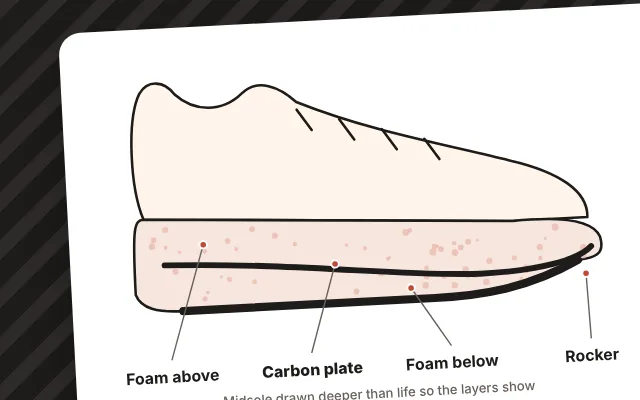
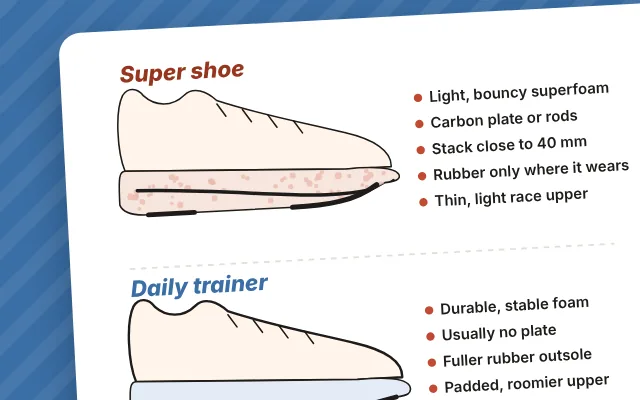
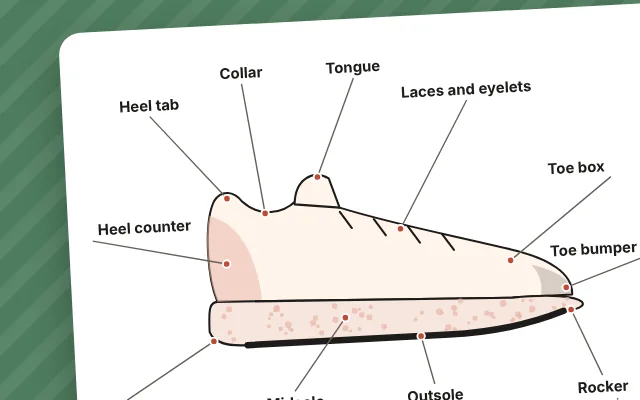
Why the foam matters more than anything else
The foam in your midsole decides most of how a running shoe feels: how soft it is, how much it bounces back, how stable it is and how long it lasts. Uppers and outsoles matter, but the midsole is the engine.
The problem is the jargon. Shoe brands wrap their foams in trademarked names such as ZoomX, Lightstrike Pro, FF Leap and PWRRUN PB, and underneath those names sit a handful of chemical acronyms: EVA, TPU, PEBA and TPEE. Add “supercritical” and “nitrogen-infused” and it is no wonder runners feel lost on the shop floor.
This guide decodes every term, explains what each foam family feels like underfoot, and names current shoes that use them, from everyday trainers to the super shoes now breaking marathon records.
Running shoe foam acronyms, decoded
Almost every midsole is built from one of five polymer families, then processed and tuned by each brand. Here is what the letters stand for.
| Acronym | Stands for | In plain English |
|---|---|---|
| EVA | Ethylene-vinyl acetate | The classic midsole foam. Light, cheap, easy to shape and stable. Used in running shoes for decades. |
| TPU / eTPU | Thermoplastic polyurethane / expanded TPU | A rubbery, resilient foam, often made from fused beads (think Adidas Boost). Bouncy and hard-wearing, but traditionally heavy. |
| A-TPU | Aliphatic TPU | A newer, lighter type of TPU with a very soft, springy feel. Now appearing in top-tier racers. |
| PEBA | Polyether block amide | The foam that started the super shoe era. Very light, very bouncy, high energy return. Pebax is a trade name for one PEBA material. |
| TPEE | Thermoplastic polyester elastomer | A newer elastomer foam with a lively but slightly more controlled feel than PEBA. Adidas Lightstrike Pro is usually described as TPEE. |
| TPE | Thermoplastic elastomer | An umbrella term for rubber-like plastics, including TPU, PEBA and TPEE. Also used for blends. |
The processes and buzzwords
- Supercritical (SC). A manufacturing process, not a material. Brands mix a gas, usually nitrogen or CO2, into the polymer under heat and pressure. The result is smaller, more even air cells: lighter, softer and bouncier foam. You can make supercritical EVA, TPU or PEBA.
- Nitrogen-infused. Usually means the same thing as supercritical. Puma Nitro, Brooks DNA Loft v3 and Mizuno Enerzy NXT all use this language.
- Beaded or expanded. The foam is made from tiny pellets fused together, like Boost. These tend to feel springy and stay consistent in cold weather.
- Injection-moulded vs compression-moulded. Two ways of shaping foam. Compression-moulded EVA (sometimes written CMEVA) tends to feel firmer and denser.
- Blend. Many foams mix polymers, for example PEBA with EVA, to balance bounce, stability, durability and cost.
The ride terms
- Energy return (or resilience). How much of the energy you put into the foam comes back as it rebounds. Higher feels bouncier. Brands quote lab figures measured in different ways, so compare with caution.
- Density. How much material is packed into a given space. Lower density means lighter. Two shoes can use the same polymer at different densities and feel completely different.
- Softness. How easily the foam squashes. Soft is not the same as bouncy: a foam can be soft and dead, or firm and springy.
- Compression set (“packing out”). How much a foam permanently flattens over time. This is why old shoes feel flat.
- Stack height. Total thickness of material under your heel and forefoot, in millimetres. World Athletics caps race-legal road shoes at 40mm.
- Drop (offset). The difference between heel and forefoot stack, e.g. 40mm heel and 32mm forefoot is an 8mm drop.
- Dual-density or carrier foam. Two foams layered together, often a premium foam for bounce with a firmer foam around it for stability and durability.
Each foam family, with example shoes
A quick caveat before the detail: the polymer is only part of the story. Density, processing and the shoe’s shape all change the ride, so two PEBA shoes can feel nothing alike. Treat the descriptions below as tendencies, not rules.
EVA and supercritical EVA: stable, predictable, affordable
Underfoot: Traditional EVA feels steady and a little muted, with less rebound than modern superfoams. Supercritical EVA keeps that stability but adds noticeably more softness and pep.
Pros: Stable, cheap to make, easy to tune, usually good value.
Cons: Older EVA can pack out sooner and feels flat next to PEBA. Heavier than premium foams at the same softness.
Example shoes: The Hoka Bondi 9 swapped its predecessor’s EVA for Hoka’s supercritical EVA, which the Hoka Mach 7 also uses. The Mizuno Neo Zen 2 moved to Enerzy NXT, a nitrogen-infused EVA, and the Brooks Ghost 18 uses Brooks’ nitrogen-infused DNA Loft v3.
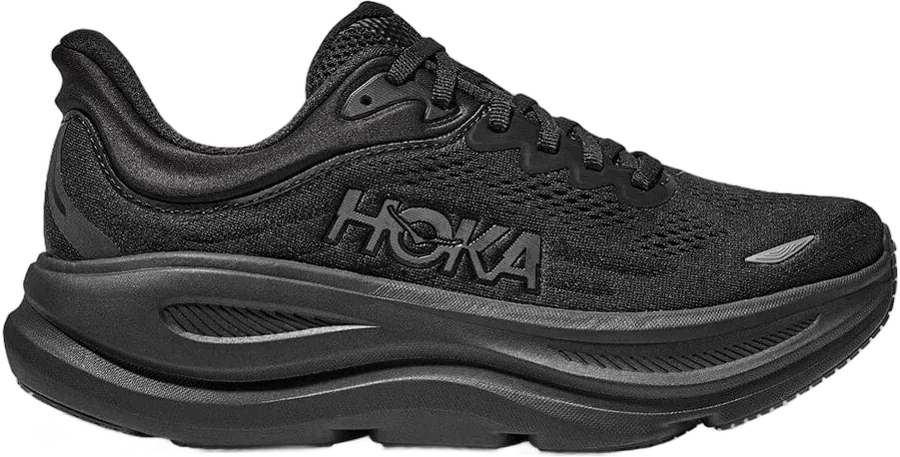
 HOKABondi 9Max cushion90/100 · 2 reviews
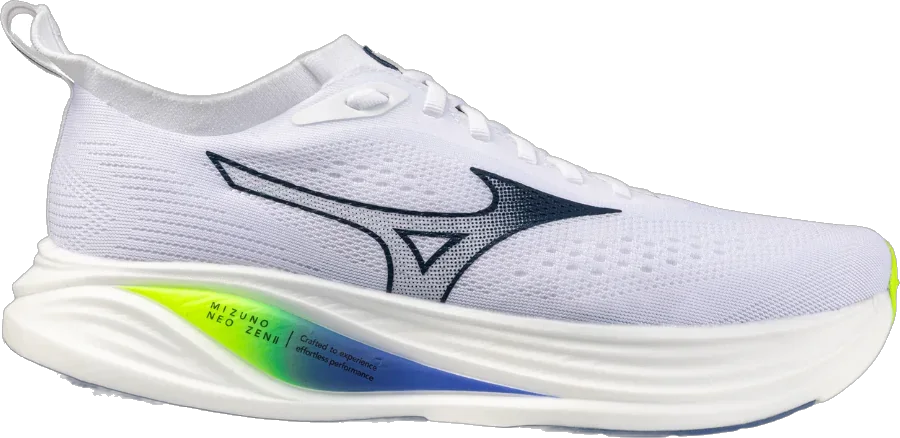
 MizunoNeo Zen 2Daily trainer85/100 · 2 reviews
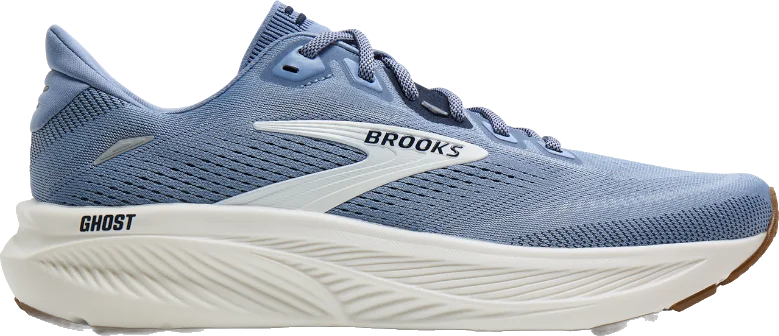
 BrooksGhost 18Daily trainer88/100 · 2 reviews
TPU and eTPU: bouncy, durable, a bit heavier
Underfoot: Springy and rubbery, with a consistent feel in cold and warm weather. Supercritical TPU can feel very soft and plush.
Pros: Excellent durability, comfortable, resists packing out.
Cons: Traditionally heavier than EVA or PEBA, so it is rarer in racers, and several brands have moved away from it in recent updates.
Example shoes: The Saucony Ride 19 uses PWRRUN+, an expanded TPU. Adidas Boost, the foam that made beaded TPU famous, is still found across Adidas’ range, and Skechers’ Hyper Burst is a supercritical TPU.
Aliphatic TPU (A-TPU): the new racing superfoam
Underfoot: Very soft and very springy, with a big trampoline sensation, especially in the forefoot.
Pros: Lighter and bouncier than standard TPU. Puma’s running product team says the market is now skewing towards PEBA and aliphatic TPU.
Cons: The softness can cost some stability on corners, and it is expensive.
Example shoes: Asics’ FF Leap is an aliphatic TPU. Asics says it is around 15% lighter, about 14% more responsive and 30% softer than its previous FF Turbo+ race foam. It debuted in the Metaspeed Sky Tokyo, Metaspeed Edge Tokyo and Metaspeed Ray, and has since trickled down to the Superblast 3 and the top layer of the Magic Speed 5.
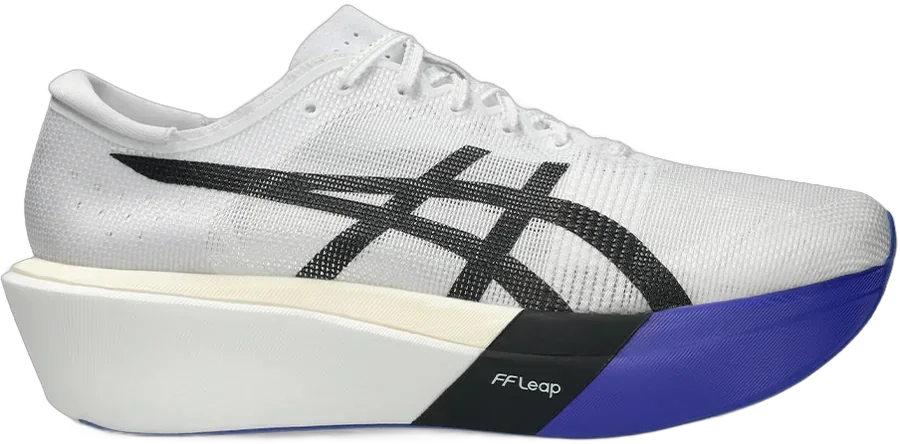
 ASICSMetaspeed Sky TokyoRace day95/100 · 2 reviews
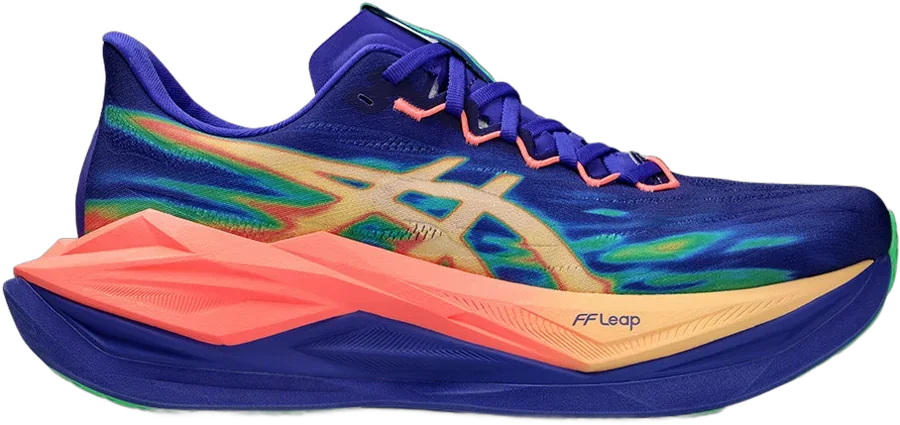 ASICSSuperblast 3Super trainer97/100 · 1 review
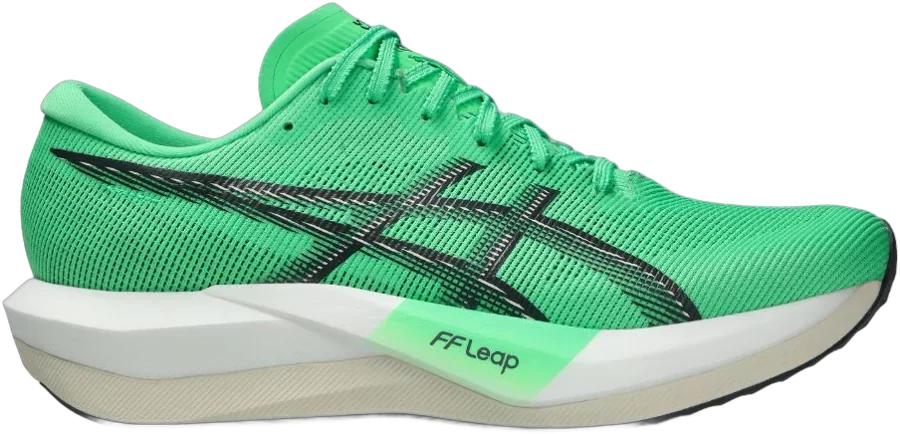 ASICSMagic Speed 5Lightweight / tempo89/100 · 2 reviews
PEBA: the lightest and bounciest
Underfoot: Soft, light and lively, with the highest rebound of any common foam. At slow paces it can feel squishy; push the pace and it comes alive.
Pros: Best-in-class energy return and low weight. The foam behind the original super shoes.
Cons: Expensive, less stable at tall stacks, and often paired with thin race outsoles that wear faster.
Example shoes: Nike’s ZoomX is PEBA-based and powers the Vaporfly 4 and Vomero Plus. The new Alphafly 4, released on 29 October 2026, adds a ZoomX LT layer that Nike says is up to 17% lighter than standard ZoomX. Hoka’s supercritical PEBA is in the Cielo X1 3.0 and Rocket X 3, Brooks’ DNA Gold in the Hyperion Elite 6, Saucony’s PWRRUN PB in the Endorphin Pro 5 and Mizuno’s Enerzy XP in the Wave Rebellion Pro 3.
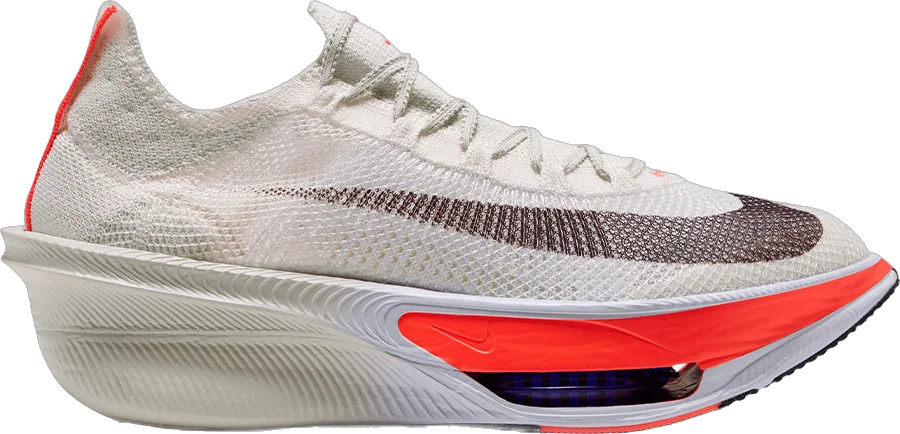
 NikeAlphafly 4Race day
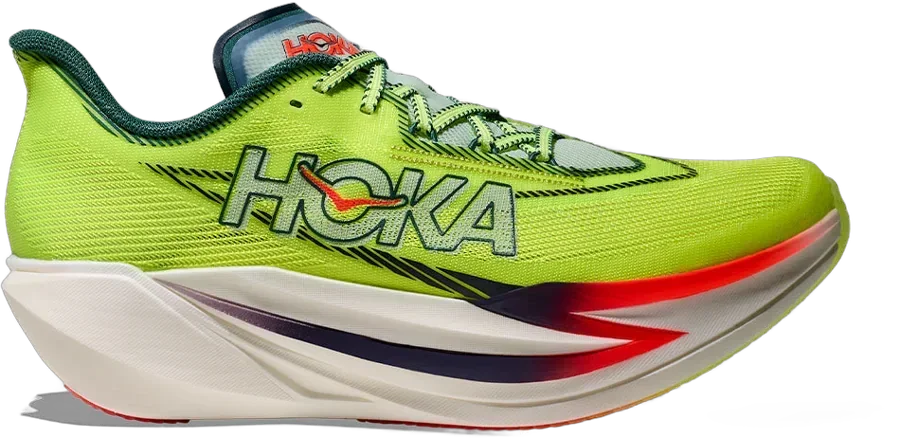 HOKACielo X1 3.0Race day92/100 · 2 reviews
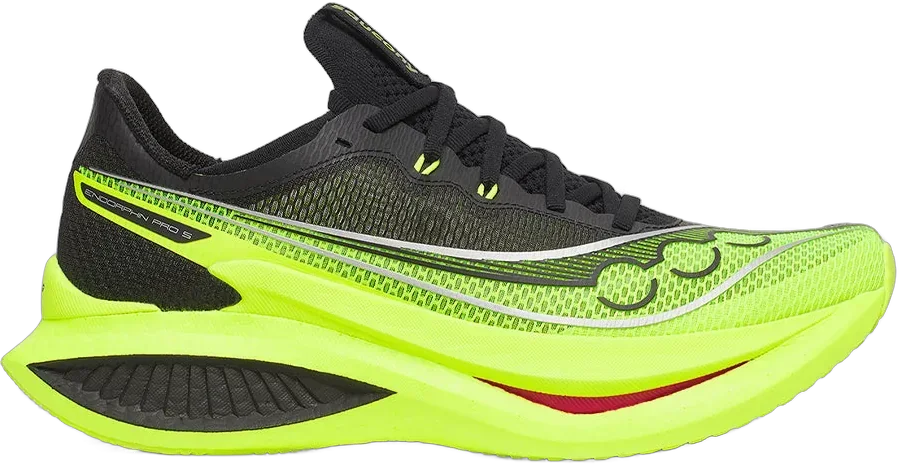
 SauconyEndorphin Pro 5Race day94/100 · 2 reviews
TPEE: lively with a touch more control
Underfoot: Bouncy and fast, but usually a little firmer and more planted than PEBA.
Pros: Responsive, durable for a race foam, stable for its softness.
Cons: Mostly found in premium shoes, though prices are coming down.
Example shoes: Adidas Lightstrike Pro, usually described as TPEE, is in the Adizero Adios Pro 5, and Adidas says the new version returns 9% more energy than the Pro 4’s. An even lighter Lightstrike Pro Evo is in the Adios Pro Evo 3 that Sabastian Sawe wore for the first sub-two-hour marathon. Lightstrike Pro also brings that feel to cheaper trainers like the Adizero Evo SL and Boston 13.
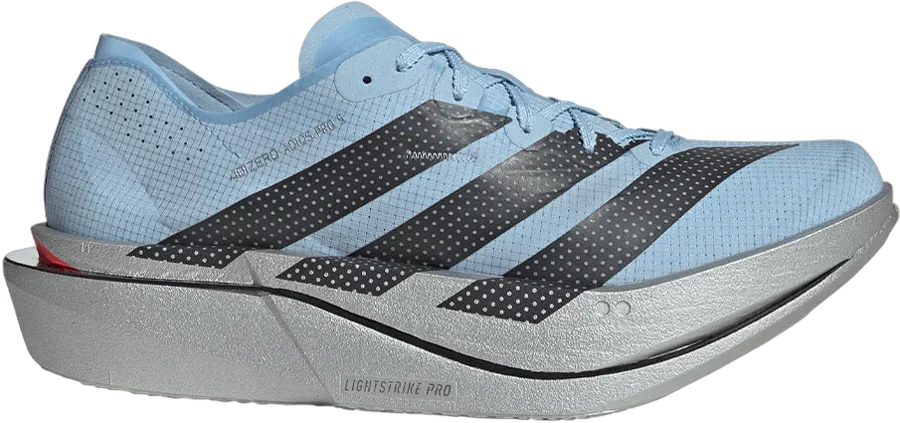
 adidasAdizero Adios Pro 5Race day94/100 · 1 review
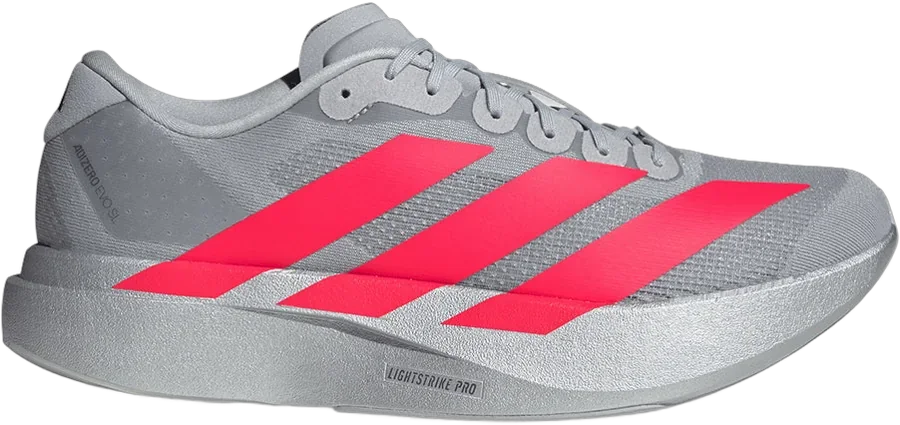 adidasAdizero Evo SLLightweight / tempo93/100 · 2 reviews
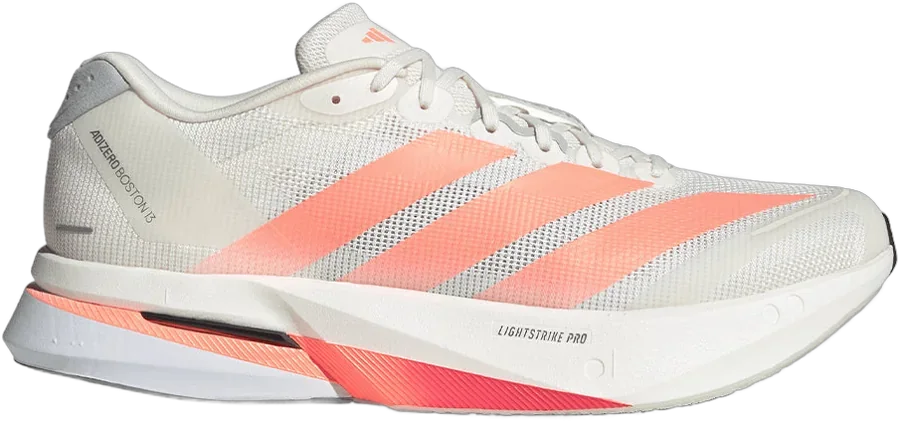 adidasAdizero Boston 13Super trainer91/100 · 2 reviews
Blends and new branded foams
Many everyday shoes use mixed foams to balance cost, bounce and durability: Nike ReactX in the Pegasus 42, Puma Nitro in the Velocity Nitro 5 and Asics FF Blast Max in the Novablast 6. Expect a ride somewhere between classic EVA and full superfoam.
Brands also keep launching new foams without saying exactly what is in them. New Balance’s Infinion has replaced Fresh Foam X in the 1080v15 and FuelCell in the SuperComp Elite v6, while Saucony’s incrediLUX and incrediRUN appear in the Triumph 24 and Endorphin Elite 3. Judge these by reviews of the ride, not the name.
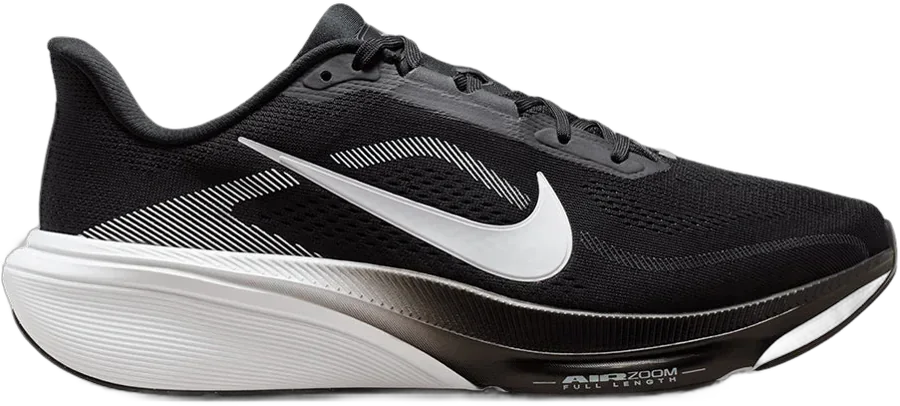 NikePegasus 42Daily trainer84/100 · 2 reviews
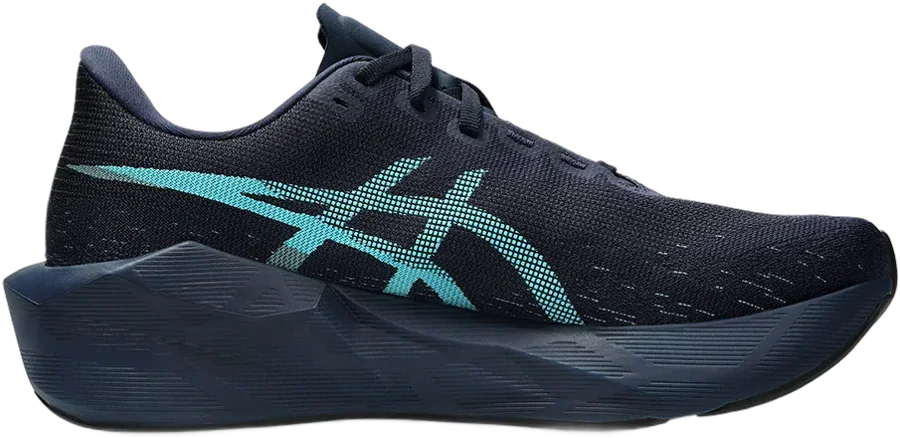 ASICSNovablast 6Daily trainer96/100 · 1 review
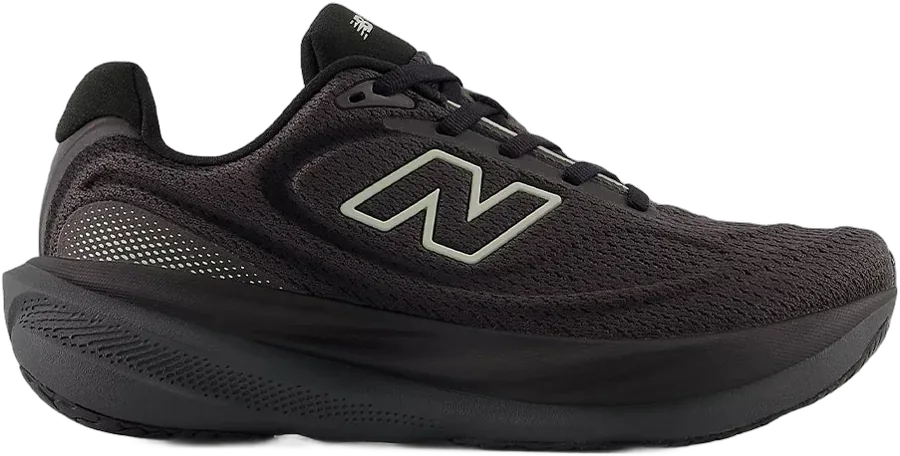
 New Balance1080v15Max cushion91/100 · 2 reviews
Running shoe foams compared
PEBA and A-TPU win on bounce and weight; EVA wins on price and stability; TPU wins on durability. These are general tendencies, since a brand’s tuning can move any foam up or down the scale.
| Foam | Feel underfoot | Bounce | Weight | Durability | Price | Best for | Example shoes |
|---|---|---|---|---|---|---|---|
| EVA | Stable, muted | Low–medium | Medium | Medium | £ | Easy runs, beginners, budget | Hoka Bondi 9, Brooks Ghost 18 |
| TPU / eTPU | Springy, rubbery | Medium–high | Heavier | High | ££ | High mileage, comfort | Saucony Ride 19 |
| A-TPU | Very soft, springy | Very high | Very light | Medium | £££ | Racing, super trainers | Asics Metaspeed Sky Tokyo, Superblast 3 |
| PEBA | Soft, lively | Very high | Lightest | Low–medium | £££ | Racing, fast sessions | Nike Vaporfly 4, Hoka Cielo X1 3.0 |
| TPEE | Lively, controlled | High | Light | Medium–high | ££–£££ | Racing, tempo, super trainers | Adidas Adios Pro 5, Evo SL |
| Blends | Varies | Medium | Medium | Medium | £–££ | Daily training | Nike Pegasus 42, Puma Velocity Nitro 5 |
How to choose the right foam
Pick the foam for the job, not the hype. A premium foam in the wrong shoe can feel worse than a good EVA trainer.
- New to running or building mileage: a supercritical EVA or TPU daily trainer gives stable, forgiving cushioning at a sensible price. See our best daily running shoes.
- Running most days: prioritise durability. TPU and modern EVA blends hold their feel for longer.
- Racing or fast sessions: PEBA, A-TPU or TPEE, usually with a plate, gives the most energy return per gram. Our carbon plates explainer covers the other half of the story.
- Want one shoe that does both: look at a super trainer with a premium foam in a more durable package, such as the Adidas Evo SL.
- Running several times a week: consider a rotation, e.g. one EVA or TPU trainer for easy miles plus a PEBA or TPEE shoe for faster days. The shoe finder can suggest a pair.
Running shoe foam FAQs
Is PEBA better than EVA?
For speed, usually yes: PEBA is lighter and bouncier. For stability, durability and price, EVA often wins. Many runners own both.
What does supercritical foam mean?
It describes how a foam is made, not what it is made of. Gas is infused under heat and pressure to create a lighter, more even cell structure. Supercritical EVA, TPU and PEBA all exist.
What foam is ZoomX?
ZoomX is Nike’s PEBA-based race foam, used in the Vaporfly and Alphafly. The Alphafly 4 adds a lighter variant, ZoomX LT.
What is Lightstrike Pro made of?
Adidas does not publish the exact recipe, but reviewers usually describe it as a TPEE foam.
How long does running shoe foam last?
It varies with foam, body weight, pace and surface. EVA daily trainers are often quoted at around 300–500 miles. Judge by feel and outsole wear rather than a fixed number, and avoid leaving shoes in a hot car, which can age foam faster.
Does a softer foam mean more protection?
Not necessarily. Very soft foams can feel less stable, and softness is different from bounce. Try shoes at the pace you will actually run in them.
Sources
- Tom’s Guide: Puma’s Damion Perry on supercritical foams
- Supwell: every running shoe brand’s foam compounds
- Supwell: PEBA, TPU and EVA guide
- Fit2Run: midsole foams explained
- Road Trail Run: Asics Metaspeed Sky Tokyo review
- Nike: Alphafly 4 announcement
- Meta Endurance: Adidas Adios Pro 5 review
- The Running Channel: World Athletics shoe rules